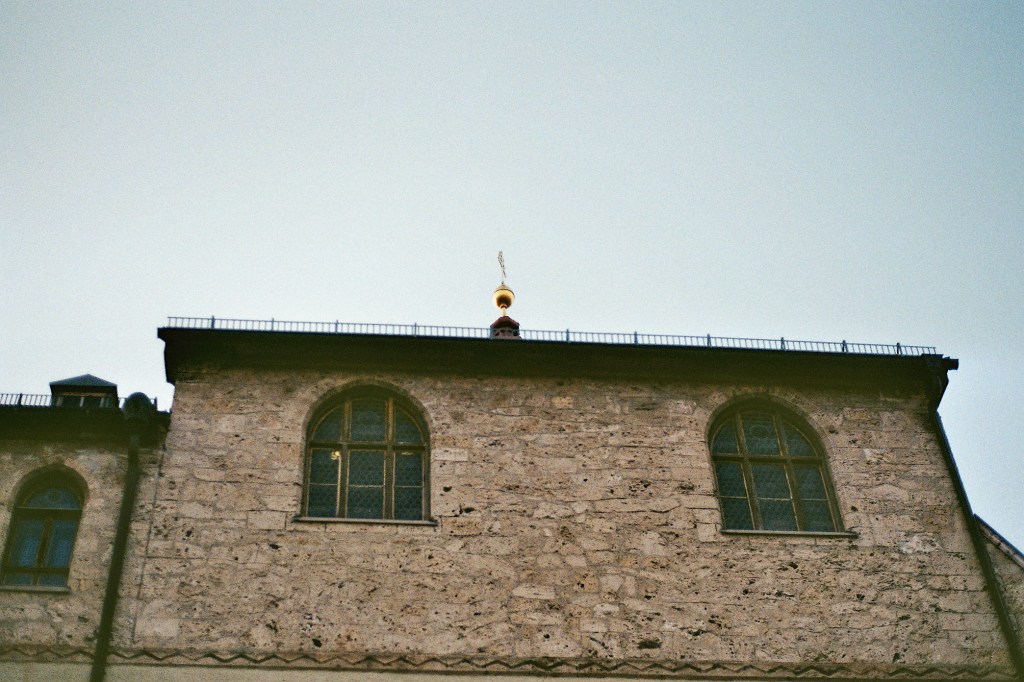
Stift Nonnberg – Nonntal, Salzburg
Photography by Marcus D. Niski © 2021
A collection of writings about place space writing and art …
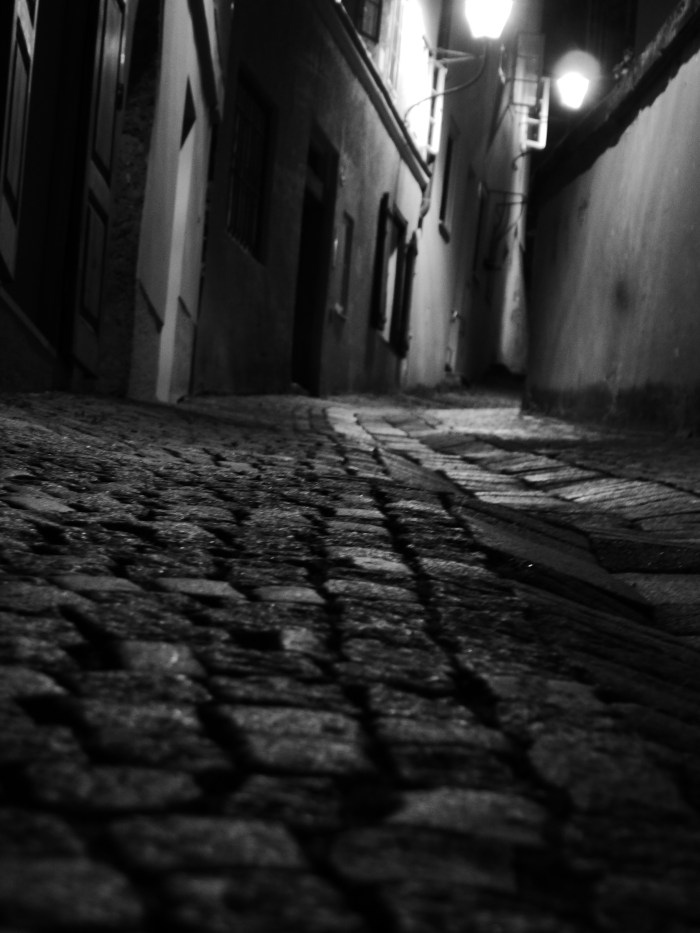
Stift Nonnberg – Nonntal, Salzburg
Photography by Marcus D. Niski © 2021
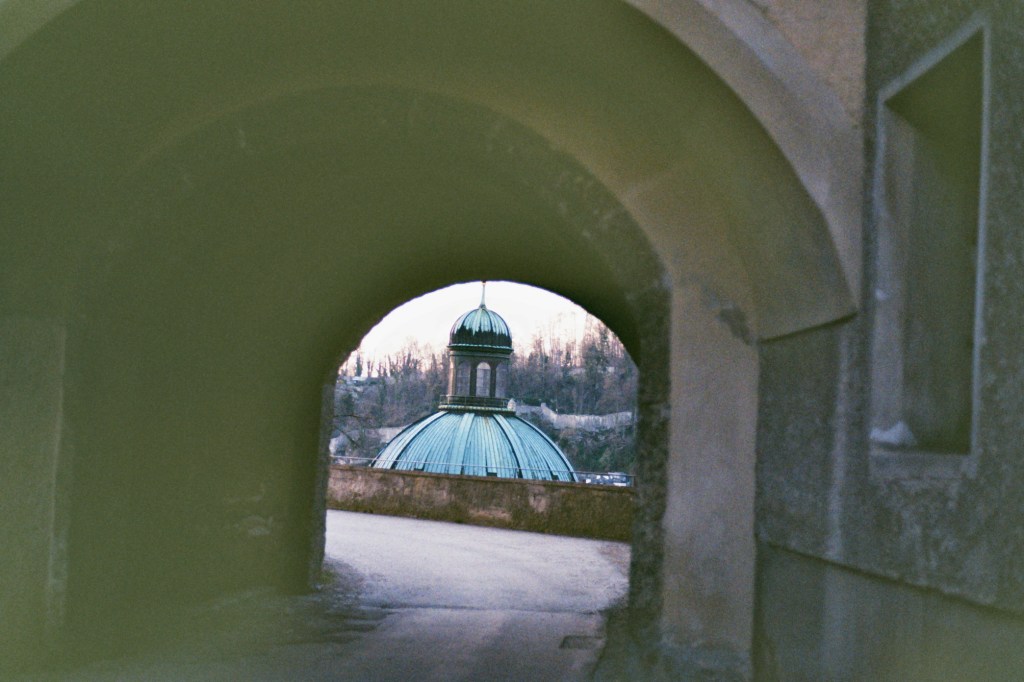
Stift Nonnberg – Nonntal, Salzburg
Photography by Marcus D. Niski © 2021
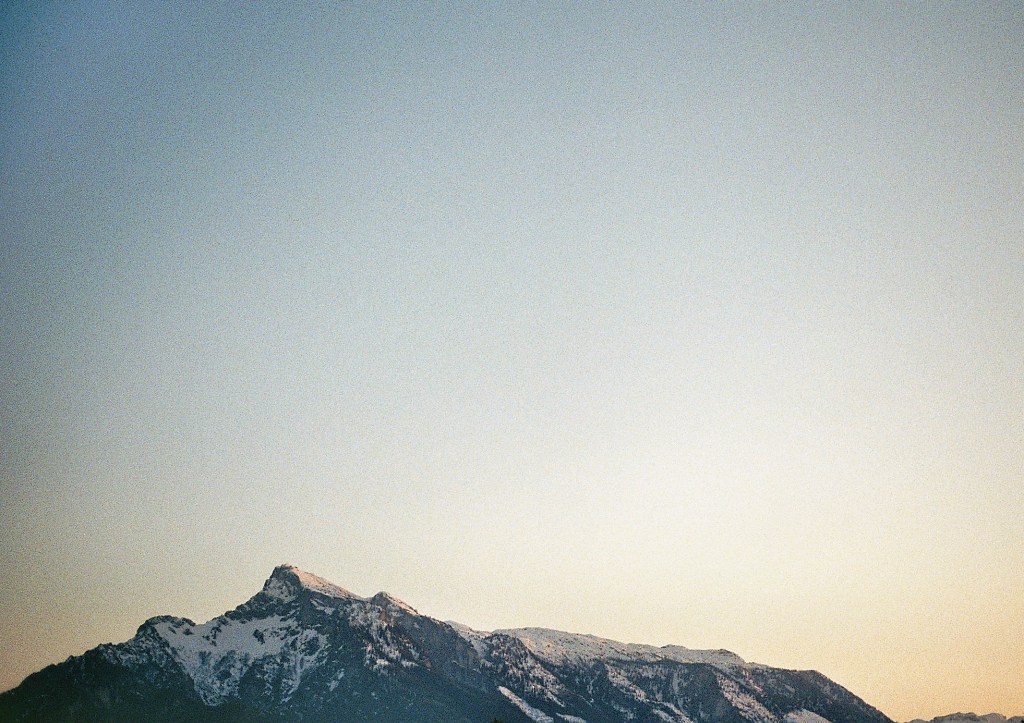
Untersberg – View from Nonntal, Salzburg
Photography by Marcus D. Niski © 2021
Impossible, I realize, to enter another’s solitude. If it is true that we can ever come to know another human being, even to a small degree, it is only to the extent that he is willing to make himself known. A man will say: I am cold. Or else he will say nothing, and we will see him shivering. Either way, we will know that he is cold. But what of the man who says nothing and does not shiver? Where all is tractable, where all is hermetic and evasive, one can do no more than observe. But whether one can make sense of what he observes is another matter entirely.
— Paul Auster, The Invention of Solitude. (Sun Publishing 1982)
Paul Auster — The Vale of Soul-Making
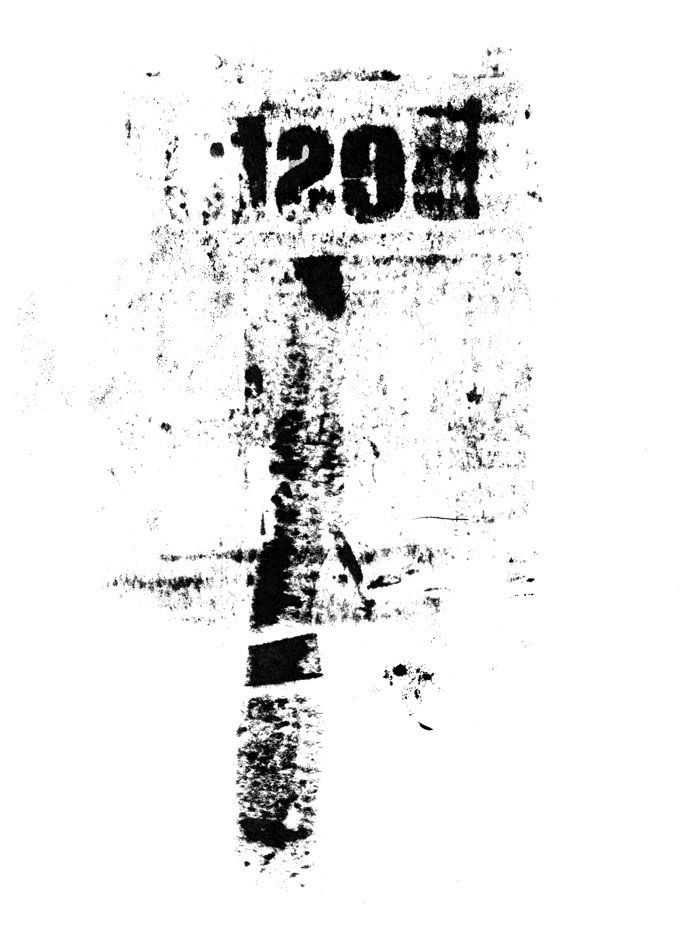
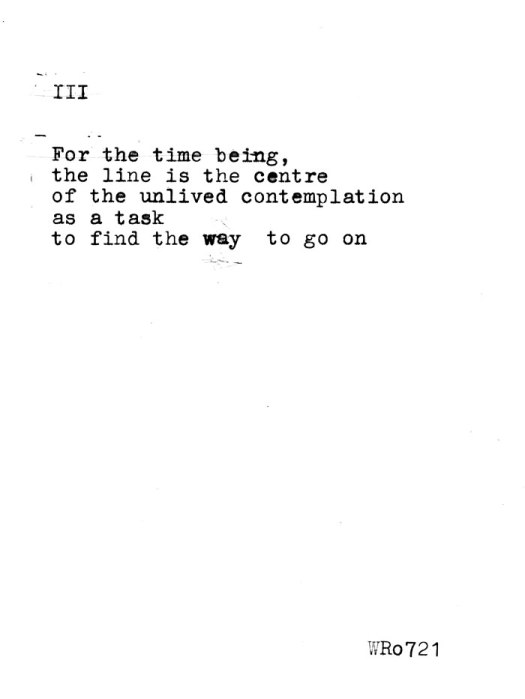
wallyRe is an Austrian sound artist, poet and photographer. This poem – the third part of a triptych – pays homage to the works of the Dada and Surrealist poets as well as the technique of chance operations as articulated by artists such as John Cage. More about wally Re can be found at her website: wallyre.net
Image & Poem Text © wallyRe 2021
And I, tiny being,
drunk with the great starry
void,
likeness, image of
mystery,
felt myself a pure part
of the abyss.
I wheeled with the stars.
My heart broke loose with the wind
— Mark Strand, from “Pablo Neruda and his passions,” The New Yorker (September 8, 2003)
Mark Strand — The Vale of Soul-Making
by Marcus D. Niski
William Klein is a legendary American Fashion and Street Photographer based in Paris who is regarded amongst the great pioneers of genre of the Street Photography.
Renowned for his framing and exceptional compositions, his empathy with his subjects, and his up-close approach to photographing subjects on the street, Klein’s career has spanned throughout the ’50s to the present day, including stints as a Vogue fashion photographer. His extraordinary signature fashion work often incorporated his models amongst busy and sometimes chaotic street scenes that included locational shoots in New York, Paris and Rome.
Kleins’ provocative approach and his exceptional natural rapport with his models lead to the creation of iconic images that challenged the conventional boundaries of photography at the time and introduced new techniques into the field including the use of telephoto lenses to capture his subjects from a distance so as to create a more free and ‘anonymous’ effect in his style of composition.
In October 2012, The Tate Modern presented an important retrospective dedicated to both William Klein and Daido Moriyama that featured Klein’s re-interpretations of his own work in the form of hand-painted overlays of some of his iconic contact sheet images that were scaled-up to large and very striking wall-mounted images.
The film below captures Klein’s charming and fiercely iconoclastic personality at interview with a fellow legend in the form of documentary film maker Alan Yentob, known for his groundbreaking early BBC portrait of David Bowie entitled Cracked Actor.
The Many Lives of William Klein – Alan Yentob
Marcus D. Niski, July 2021

“The Sheltering Sky was Paul Bowles’s first novel, and although he honed his art almost to his dying day—novels, poems, stories, translations, as well as musical scores—it was this strange, uneven, and somewhat hallucinatory novel, and a handful of disturbing short stories written around the same time, that seemed to locate his fictional vision for […]
Paul Bowles: ‘Here’s My Message. Everything Gets Worse’ by Paul Theroux — 1960s: Days of Rage
The Art of Traveling
.
The ultimate luxury in our increasingly gregarious world,
the thing more and more refused to each other, is being
alone. That is why we need to have delivered to a small
local hotel the complete works of Balzac, then announce
to everyone our departure on a trip, severing all links and
making ourselves unavailable for a few days. We shouldn’t
need to go sight-seeing, because we live there. The hotel room
is booked for reading. If we want to have a drink or see people,
we may go to the barroom, later returning to a made bed to
slip between clean sheets and sip tea brought up by the room
service and so on until the end of Human Comedy,
without skipping long scenery descriptions.
.
L’art de voyager
On choisit un petit hôtel de sa propre ville
en y apportant l’œuvre complète de Balzac.
On annonce à tout le monde qu’on est
en voyage, puis on coupe tous les fils
qui nous relient aux autres.
Inatteignable durant quelques jours.
Dernière luxe dans un monde
de plus en plus grégaire
où l’on refuse de laisser à l’autre le plaisir
d’être seul même pour une minute.
On n’a pas besoin de visiter la ville
puisqu’on y vit.
On reste dans la chambre pour lire.
Si on veut boire un coup et voir du monde,
on descend au bar.
Et après un temps, on remonte pour pour trouver
le lit bien fait.
On se glisse alors sous les draps propres
après avoir fait monter du thé,
et on y reste jusqu’à ce qu’on ait terminé
La Comédie humaine
sans sauter, cette fois, les descriptions
de paysage.

 Naked Cities Journal
You must be logged in to post a comment.