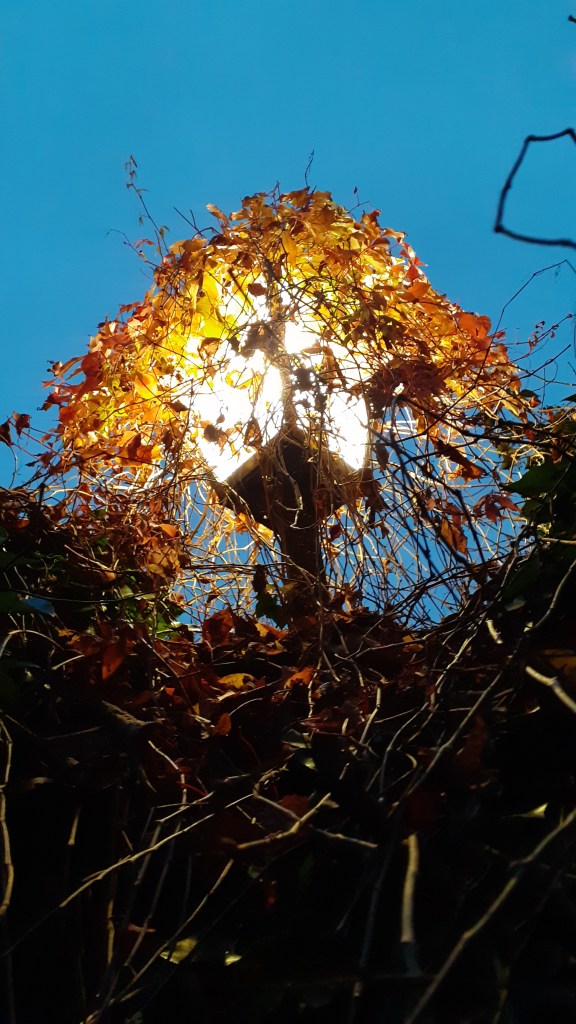
Arenbergstraße – Salzburg Altstadt
Photography by Marcus D. Niski © 2020
A collection of writings about place space writing and art …
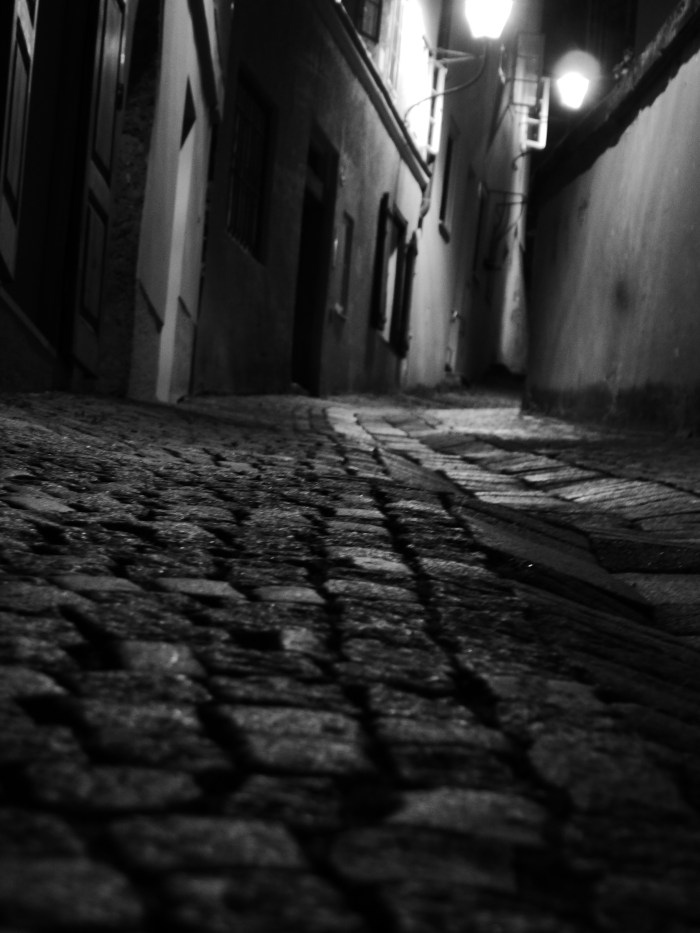
Arenbergstraße – Salzburg Altstadt
Photography by Marcus D. Niski © 2020
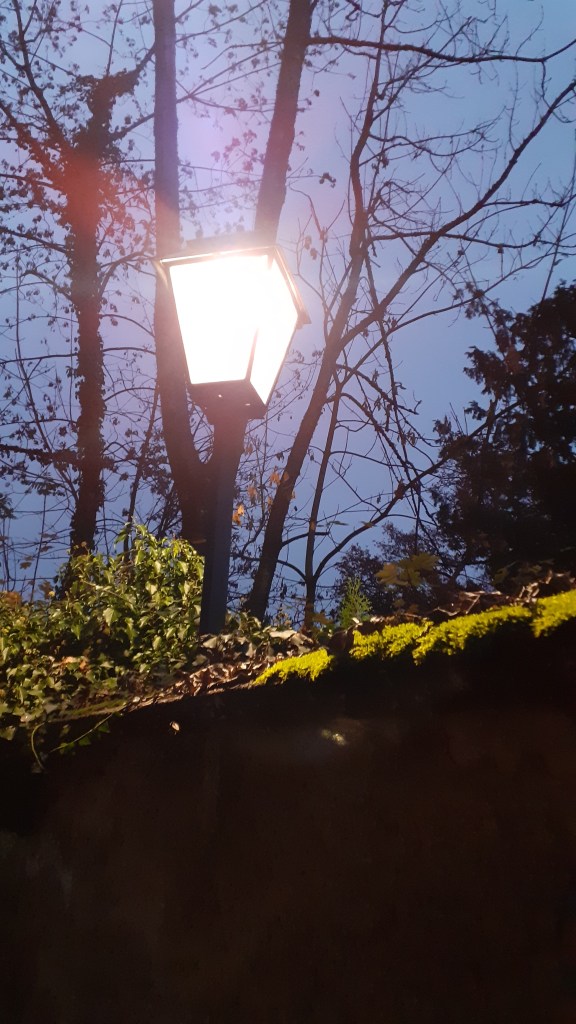
Arenbergstraße – Salzburg Altstadt
Photography by Marcus D. Niski © 2020
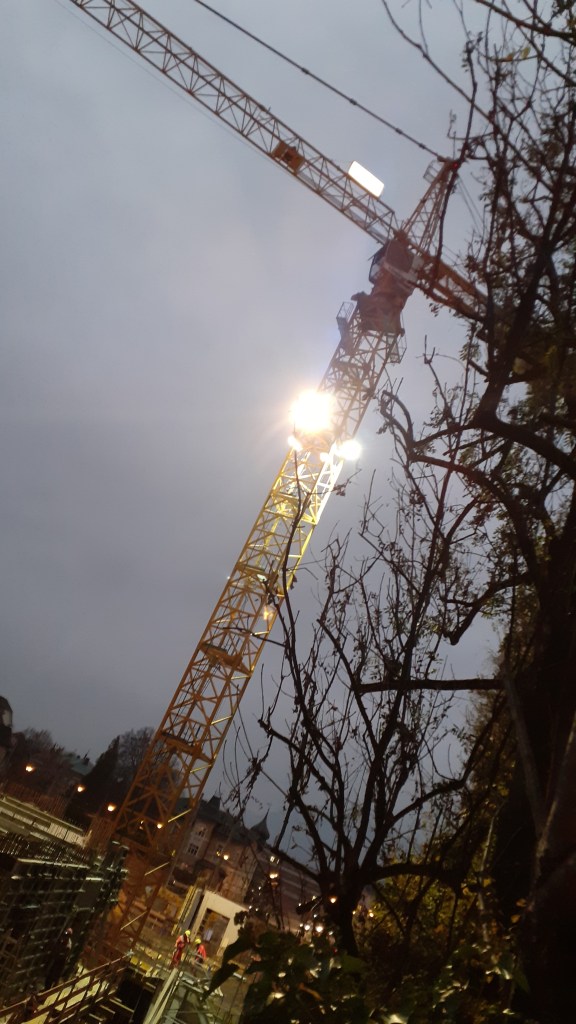
Construction site – Salzburg Altstadt
Photography by Marcus D. Niski © 2020

Maria Lazar (née Maria Franziska Lazar. After marriage, Maria Franziska Strindberg. Pseudonym: Esther Grenen. November 22, 1895 – March 30, 1948) was an Austrian-Jewish writer. Oskar Kokoschka, Dame mit Papagei, 1916 Born in Vienna to a wealthy Jewish family who had converted to Catholicism, Lazar lost her father when she was 13. She attended the […]
Maria Lazar — the [blank] garden

I have had the pleasure of visiting Paris many times over the last 40 years. And ever time that I’m in Paris the iconic bookstore Shakespeare and Company is one of my first stops. Even if you have never been to Paris, it’s likely that you have seen photos of the historic shop. Sadly, during […]
Help Save a Paris Landmark — Travel Between The Pages
…
INTERVIEWER
Can you discuss your work process? When do you sit down to write, and what do you do to warm up?
WHITE
Oh, it’s very tormented. I try to write in the morning, and I write in longhand, and I write in very beautiful notebooks [White displays a couple of hardbound notebooks filled with thick, hand-laid paper] and with very beautiful pens. I just write away, and then . . . This is a first go at it, and then I start crossing out, and it gets crazier and crazier, with inserts and so on. Finally, two or three years of this go by and then one day I call in a typist. I dictate the entire book to her or him. The typist is a sort of editor in that he or she will tell me what is really terrible and what’s good, or what’s inconsistent and doesn’t make sense. I get together a whole version this way and then I stew over it some more. Eventually my editor reads it, and then he tells me to change things, and it goes on like that. If I write a page a day, I’m lucky. But I write less. And months go by without my writing at all, and I get very crazy when I write! Sick, physically.
…
Edmund White, The Art of Fiction No. 105, as Interviewed by Jordan Elgrably in The Paris Review No. 108, Fall 1988.
Every man, when he gets quiet, when he becomes desperately honest with himself, is capable of uttering profound truths. We all derive from the same source. there is no mystery about the origin of things. We are all part of creation, all kings, all poets, all musicians; we have only to open up, only to discover what is already there. — Henry Miller
‘In an ever-changing, incomprehensible world the masses had reached the point where they would, at the same time, believe everything and nothing, think that everything was possible and that nothing was true.’
Hannah Arendt in The Origins of Totalitarianism as quoted in – ‘Nothing is True, Everything is Permitted’ found at: cakeordeathsite – nothing is true everything is permitted
I exist, around me extends the void, the real world’s darkness. I exist and continue blind, anxious, because people next to me are so obviously other beings, feeling nothing of what I feel. As I imagine my arrival in this world from the union of a man and a woman, and at the very moment of that conjunction, a unique opportunity is a decision taken about this me that I am, and without which for me, ultimately, there would not be anything. Of this small difference, I am the consequence. As far as I am concerned, without that there wouldn’t be anything, the same as in case of my death.
This tiny chance of my arrival suspended over void, seems to challenge the void, this infinite painful impossibility facing the unique being that I am.
The others’ presence near me matters little, given my unsubstentiabiliity in the midst of negligence, my awareness of my loneliness. The notion of unique chance follows me in the world where I abide, and where we both, the world and myself, are total strangers to it all.
And if the world fails to grasp this consciousness of mine, trembling, I give up all hope of logical cohesion, vowing myself to immobility, first my own, then to take it to another level, of everything else, which is a situation of some staggering drunk, who mistaking his life for a candle that he has blown out, is left screaming in the dark…
J’existe — autour de moi, s’étend le vide, l’obscurité du monde réel — j’existe, je demeure aveugle, dans l’angoisse : chacun des autres est tout autre que moi, je ne sens rien de ce qu’il sent. Si j’envisage ma venue au monde liée à la naissance puis à la conjonction d’un homme et une femme, et même, à l’instant de la conjonction — une chance unique décida de la possibilité de ce moi que je suis : en dernier ressort l’impossibilité folle du seul être sans lequel, pour moi, rien ne serait. La plus petite différence dans la suite dont je suis le terme : au lieu de moi avide d’être moi, il n’y aurait quant à moi que le néant, comme si j’étais mort.
…

 Naked Cities Journal
You must be logged in to post a comment.