Paris Peasant – Louis Aragon

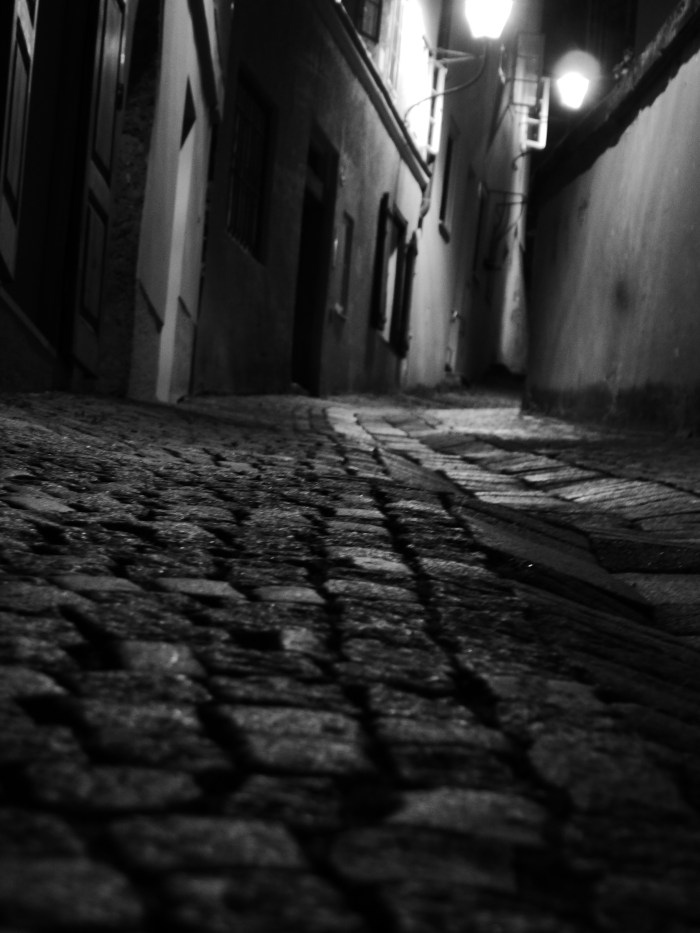
“Louis Aragon guides us through the Passage de L’Opéra, imaginatively exploring the allure of various establishments found in the covered arcades, including seedy lodging houses, cafés, hairdressing salons, public baths, theatres, washrooms and quaint specialist shops selling such items as handkerchiefs, walking sticks, and exotic stamps. He evokes the ambiguity of these places, their pleasures and secrets: ‘the ephemeral, the ghostly landscape of damnable pleasures and professions’. Aragon playfully opens up the arcades as diverse laboratories of sensations against what he sees as respectable, inoffensive bourgeoisie sensibilities. The passageway becomes a ‘method’ for loosening inhibitions, revealing both the shadowy and bright secrets that can be found behind its doors. In his stroll through Passage de L’Opéra the public baths and brothel are described in terms of ‘other places’, different worlds  secreted in the heart of Paris, and when he moves out to the district of Butts-Chaumont, Aragon’s description and celebration of gardens and parks likewise become zones of mystery and enchantment. Gardens become places of, and for, dreams and mad invention. Parks, particularly at night, become places of sensual delight and lurking danger.”

Review of Peter Aragon’s Paris Peasant by Peter Johnson  (12 February 2014) via http://www.heterotopiastudies.com/paris-peasant-aragon/


Page Images from A Rare Hardcover Edition of Paris Peasant. Photography by Marcus D. Niski © 2004-2017


Smiling At Strangers — mokita dreams

This fabulous spontaneous street photography piece – Smiling At Strangers – was put together by Ieva Kambarovaite and posted on her blog at mokitadreams.com

“Sat in a coffee shop, watching the world and taking pictures of strangers. Who knew? They smiled. Big and genuine smiles. Brits are not so miserable after all (got to work on my sarcasm). I hope you have a great day and I hope you smile at strangers. Surprise Harmony…”

via Smiling At Strangers — mokita dreams

Downtown Streets — L.T. Garvin

These downtown streets are like broken promises spilling into the surrounding neighborhood. They are like pathways bordering an interrupted fantasy. They are arteries skirting the secrets of pavement. These downtown streets once agleam silent now as a once brief dream. The terrace stroll of shoppers spent cracks run like blood veins through pavement. The streets fall […]

via Downtown Streets — L.T. Garvin

On Signage

Sometimes kitsch. Sometimes haunting. Sometimes enchanting. Sometimes banal. Often evocative of places and spaces familiar to us in our everyday encounters with the urban world. A neon sign in a favorite cafe, a vintage enameled sign sporting the logo of a long defunct motor oil company, an art deco sign with its delicately stylish elements, a hand painted apothecary’s sign from the middle ages or an intricate wrought iron sign with exquisite handmade lattice work: signage comes in a myriad number of designs, shapes and forms.

– Marcus D. Niski


The Intriguing Hidden History of Corridors as Explored by Liminal Narratives

Let us return to the corridor – intrigued and delighted by Rachel Hurdley’s Radio 4 broadcast, The hidden history of the corridor. Poised between public and private; open and closed; movement and stasis; the pragmatic and the eerie, corridors are ‘time and ‘matter out of place” (Hurdley, p.50). From one perspective, opening the door to […]

via Corridor #2 — Liminal Narratives