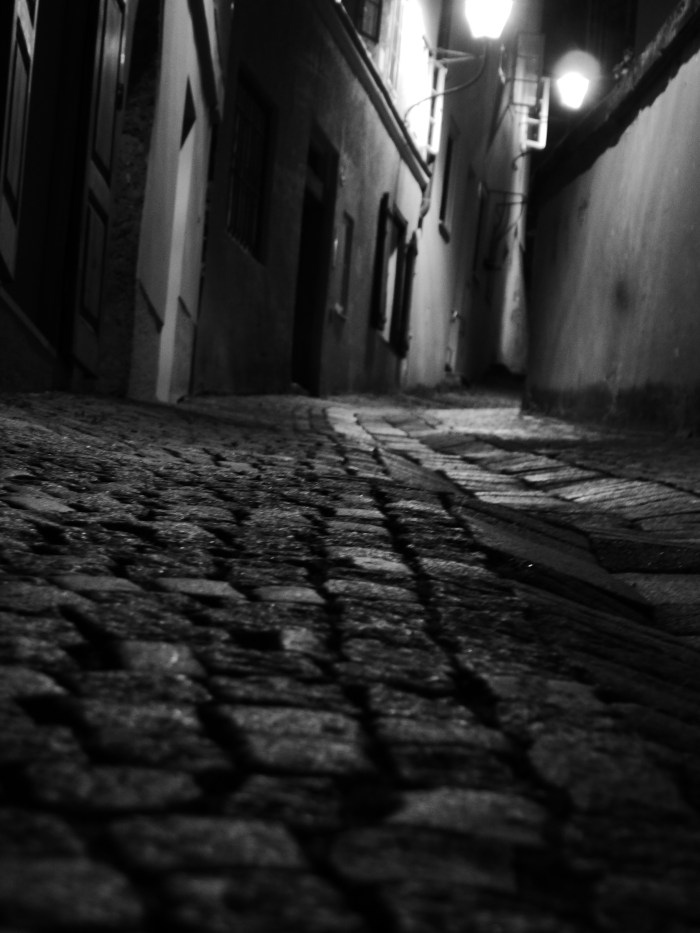
The Writer as Documentary Mapmaker

We confront the limitless borders and boundaries of empty space, the void of our own thoughts and the longing to give meaning to our own often meaningless lives. The act of writing is both damnation and salvation working in parallel as the struggle to pull down meaning and to make it a concrete memorial to our own existence. Without such written documents to enrich our lives we would concomitantly damn both ourselves and others to an unbearable obscurity. Literature in all its forms accordingly documents and records the greatness of human society as much as its banality. The two are inseparable. For without ugliness and banality we would have no measure of the great and the grand. All writers attempt to strive for meaning amongst the banality of their own existence, if only to make it seem grand, if only to themselves and to nobody else.

Marcus D. Niski,  10 March 2021

The Bunker: John Giorno and The Life and Times of William S. Burroughs

by Marcus D. Niski

During one of the most colorful and flamboyant phases of his creative life, William S. Burroughs was closely associated with his New York loft apartment at 222 Bowery both affectionately and aptly known as The Bunker. The scene of many legendary parties and encounters with fellow writers, artists, hangers-on, street urchins, fans and other innumerable dramatis personae, Burroughs somewhat reluctantly at times played the multi-faceted role of raconteur, showman, marksman, chef, host and resident celebrity that would undoubtedly help to further cement the Literary Outlaw myth so closely associated with his literary persona.

In this warm and intimate film portrait below of his close relationship with William S. Burroughs, fellow writer and poet John Giorno recounts the heady days of The Bunker and the antics associated with Burroughs’ famous residency. The cast of creative and literary heroes and villains ranged from the Beats Herbert Huncke and Allen Ginsberg, to such luminaries as Andy Warhol, Patti Smith, Terry Southern and Victor Bockris [who would assemble various conversational accounts of the goings-on at The Bunker under the title With William S. Burroughs: Reports from The Bunker]; as well as various members of the rock and roll fraternity of royals including โ€“ Mick Jagger, David Bowie and punk icon Joe Strummer.

The term ‘The Bunker’ itself stems from the fact that the apartment had no windows as well as extremely thick concrete walls which isolated it from all outside noise. Burroughs saw this as the ideal circumstances for his writing โ€“ and indeed his marksmanship โ€“ and the building served as an extremely attractive location in which to unfold his daily creative and life rituals.

During a trip to New York in 2009-2010, I made a literary pilgrimage to The Bunker in search of the Burroughs mythos and the surrounding historic district of the Bowery. Indeed, the Bowery itself is known for its own colorful and unsavory history as a prominent site for men’s shelters that housed many of the cities homeless, poor and indigent residents and The Bowery Mission continues to operate until today as it has done since the 1870s just several doors away from The Bunker itself.

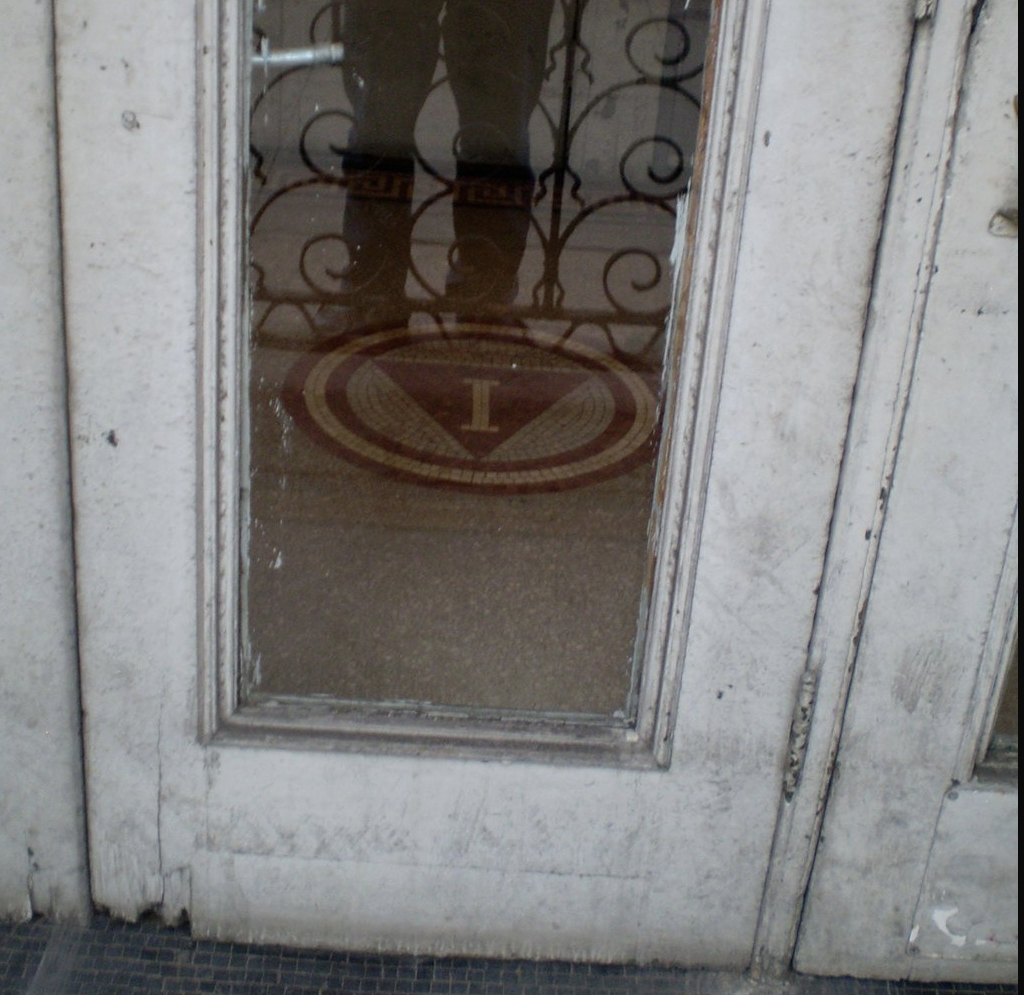
Below are some images that I took of the front entrance, the view looking up to The Bunker loft and a street view all taken on a particularity cold winter’s day. Looking closely through the wrought iron gates, it was fascinating to still see the remnants of the YMCA logo adorning the tiled floor just inside the door as the building had served as a working YMCA. Indeed, a fascinating history of the building has also been documented by the New York Times which can be found at the following link: New York Times history of 222 Bowery

Bunker[1] MN

Bunker [3] MN

Street Photography Images Copyright Marcus D. Niski 2009-2023

‘The Bunker’ undoubtedly remains an iconic and important architectural and cultural reference point to one of the great periods of New York’s 20th Century literary and cultural history. Given its proximity to CBGBs which played a seminal role in the birth of the American punk rock movement that spawned a whole generation of musicians and artists, it’s hardly surprising that a pilgrimage to The Bunker was also part of the neighborhood lore and ritual for so many of New York’s avant garde and outsider scene.

John Giorno’s (1936 โ€“ 2019) fascinating and eclectic life as a poet is also more extensively documented in the first part of the film as found on the Louisiana Channel at the following link entitled: John Giorno Interview: A Visit to the Poet


Death As an Imposter (a text of Georges Bataille translated by Vadim Bystritski) โ€” Before and After Francis Ponge

I exist, around me extends the void, the real worldโ€™s darkness. I exist and continue blind, anxious, because people next to me are so obviously other beings, feeling nothing of what I feel. As I imagine my arrival in this world from the union of a man and a woman, and at the very moment of that conjunction, a unique opportunity is a decision taken about this me that I am, and without which for me, ultimately, there would not be anything. Of this small difference, I am the consequence. As far as I am concerned, without that there wouldnโ€™t be anything, the same as in case of my death.

This tiny chance of my arrival suspended over void, seems to challenge the void, this infinite painful impossibility facing the unique being that I am.

The othersโ€™ presence near me matters little, given my unsubstentiabiliity in the midst of negligence, my awareness of my loneliness. The notion of unique chance follows me in the world where I abide, and where we both, the world and myself, are total strangers to it all.

And if the world fails to grasp this consciousness of mine, trembling, I give up all hope of logical cohesion, vowing myself to immobility, first my own, then to take it to another level, of everything else, which is a situation of some staggering drunk, who mistaking his life for a candle that he has blown out, is left screaming in the dark…

Jโ€™existe โ€” autour de moi, sโ€™รฉtend le vide, lโ€™obscuritรฉ du monde rรฉel โ€” jโ€™existe, je demeure aveugle, dans lโ€™angoisse : chacun des autres est tout autre que moi, je ne sens rien de ce quโ€™il sent. Si jโ€™envisage ma venue au monde liรฉe ร  la naissance puis ร  la conjonction dโ€™un homme et une femme, et mรชme, ร  lโ€™instant de la conjonction โ€” une chance unique dรฉcida de la possibilitรฉ de ce moi que je suis : en dernier ressort lโ€™impossibilitรฉ folle du seul รชtre sans lequel, pour moi, rien ne serait. La plus petite diffรฉrence dans la suite dont je suis le terme : au lieu de moi avide dโ€™รชtre moi, il nโ€™y aurait quant ร  moi que le nรฉant, comme si jโ€™รฉtais mort.

Death As an Imposter (a text of Georges Bataille translated by Vadim Bystritski) โ€” Before and After Francis Ponge

#1956Club โ€“ a great French artist considers his life and workโ€ฆ โ€” Kaggsy’s Bookish Ramblings

Journals of Jean Cocteau โ€“ edited and introduced by Wallace Fowlie Todayโ€™s time travelling trip to 1956 sees me considering another great French artist โ€“ the most wonderful Jean Cocteau. I first encountered his works back in the mid-1980s, when friends dragged me off to a screening in London of two of his films, โ€œOrpheeโ€ [โ€ฆ]

#1956Club โ€“ a great French artist considers his life and workโ€ฆ โ€” Kaggsy’s Bookish Ramblings

The Bunker: John Giorno and The Life and Times of William S. Burroughs

by Marcus D. Niski

During one of the most colorful and flamboyant phases of his creative life, William S. Burroughs was closely associated with his New York loft apartment at 222 Bowery both affectionately and aptly known as The Bunker. The scene of many legendary parties and encounters with fellow writers, artists, hangers-on, street urchins, fans and other innumerable dramatis personae, Burroughs somewhat reluctantly at times played the mulit-faceted role of raconteur, showman, marksman, chef, host and resident celebrity that would undoubtedly help to further cement the Literary Outlaw myth so closly associated with his persona.

In this warm and intimate film portrait below of his close relationship with William S. Burroughs, fellow writer and poet John Giorno recounts the heady days of The Bunker and the antics associated with Burroughs’ famous residency. The cast of creative and literary heroes and villains ranged from the Beats Herbert Huncke and Allen Ginsberg, to such luminaries as Andy Warhol, Patti Smith, Terry Southern and Victor Bockris [who would assemble various conversational accounts of the goings-on at The Bunker under the title With William S. Burroughs: Reports from The Bunker], as well as various members of the rock and roll fraternity of royals including โ€“ Mick Jagger, David Bowie and punk icon Joe Strummer.

The term ‘The Bunker’ itself stems from the fact that the apartment had no windows as well as extremely thick concrete walls which isolated it from all outside noise. Burroughs saw this as the ideal circumstances for his writing โ€“ and indeed his marksmanship โ€“ and the building served as an extremely attractive location in which to unfold his daily creative and life rituals.

During a trip to New York in 2009-2010, I made a pilgrimage to The Bunker in search of the Burroughs mythos and the surrounding historic district of the Bowery. Indeed, the Bowery itself is known for its own colorful and unsavory history as a prominent site for men’s shelters that housed many of the cities homeless, poor and indigent residents and The Bowery Mission continues to operate until today as it has done since the 1870s just several doors away from The Bunker itself.

Below are some images that I took of the front entrance, the view looking up to The Bunker loft and a street view all taken on a particularity cold winter’s day. Looking closely through the wrought iron gates, it was fascinating to still see the remnants of the YMCA logo adorning the tiled floor just inside the door as the building had served as a working YMCA. Indeed, a fascinating history of the building has also been documented by the New York Times which can be found at the following link: New York Times history of 222 Bowery

Bunker[1] MN

Bunker [3] MN

Stills images copyright Marcus D. Niski 2009-2020

‘The Bunker’ undoubtedly remains an iconic and important architectural and cultural reference point to one of the great periods of New York’s 20th Century literary and cultural history. Given its proximity to CBGBs which played a seminal role in the birth of the American punk rock movement that spawned a whole generation of musicians and artists, it’s hardly surprising that a pilgrimage to The Bunker was also part of the neighborhood lore and ritual for so many of New York’s avant garde and outsider scene.

John Giorno’s (1936 โ€“ 2019) fascinating and eclectic life as a poet is also more extensively documented in the first part of the film as found on the Louisiana Channel at the following link entitled: John Giorno Interview: A Visit to the Poet


Literatur & Natur 24. September 2020 โ€” Kunst und Literatur

LITERATUR & NATUR im nationalparkhaus wien lobAU MECHTHILD PODZEIT-LรœTJEN, WOLF RATZ und BEATRICE SIMONSEN vom Literaturkreis Podium lesen Texte von, zu, รผber Natur. Donnerstag, 24. September 2020, 18.30 Uhr nationalparkhaus wien-lobAU 1220 Wien, Dechantweg 8 Christl Greller (Konzept, Organisation, Moderation) stellt den Literaturkreis Podium und die Kรผnstler vor. Foto ยฉ Dirk Simonsen: In die Weite gehenย โ€ฆ

Literatur & Natur 24. September 2020 โ€” Kunst und Literatur

On Literary Pleasure โ€“ Paul Valรฉry

Le plaisir littรฉraire n’est pas d’exprimer sa pensรฉe tant que de trouver ce qu’on n’attendait pas de soi.

Literary pleasure is not to express one’s thought as long as to find what was not expected of oneself.

โ€“ Paul Valรฉry, Cahiers (Poรฉtique, 1917-1918)

A Skeleton Plays Violin (Georg Trakl) โ€” Jildy Sauce

A Skeleton Plays Violin By Georg Trakl Translated by James Reidel Seagull Books, 2017 ISBN: 9780857424297 Though sometimes described as a war poet, Georg Trakl (1887-1914) was only coincidentally so: that was where and when he died. This book, the third and final volume of James Reidelโ€™s rendering of Traklโ€™s poetry into English, is by [โ€ฆ]

via A Skeleton Plays Violin โ€” Jildy Sauce