
… to forget how time passes. – Quotes Amélie
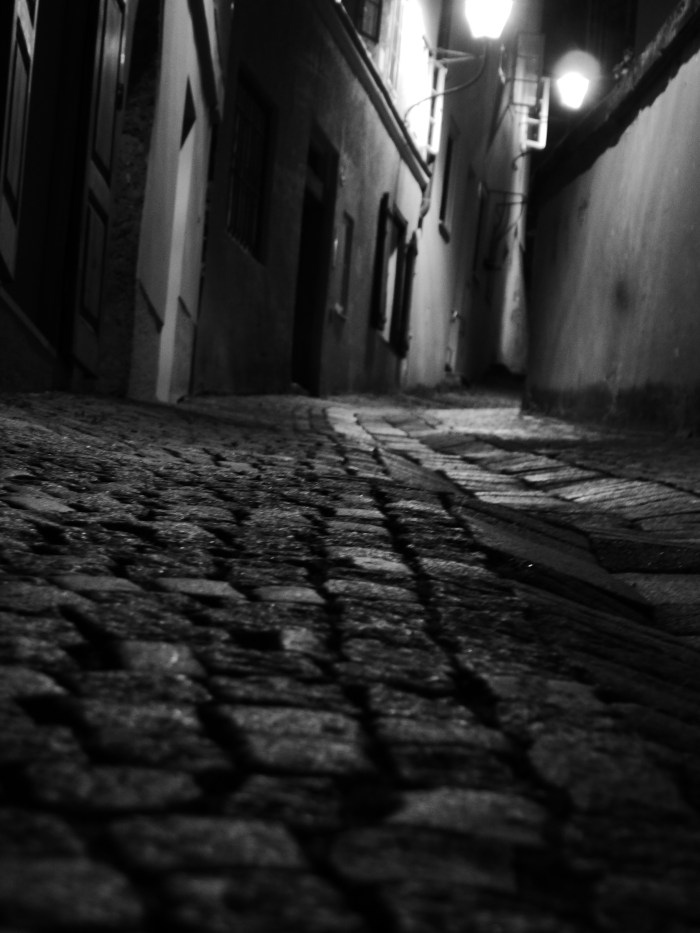
A collection of writings about place space writing and art …
 From a street corner card game to a door used as a football goal, everyday Parisians having fun!
Shot on location in Paris by Danish film Director Torben Skjødt Jensen, this highly atmospheric and engaging film as written and narrated by Ulf Peter Hallberg, provides an overview of Walter Benjamin’s life and work as well as some fabulous images of the Paris arcades.
Originally posted on YouTube by Jo Takahashi

By Gaurav J. Pathania – The café becomes a site of enunciation of identity, lived experience, and contested meaning, bringing the city inside, but also shielding its regulars from the “crowd” and the “masses” outside.

… especially turkish coffee. I can’t imagine the day without coffee. I started drinking coffee very young at the age of fourteen but my first taste of coffee was much earlier. I was always at the stove when the coffee was cooking. I have always loved the taste of coffee. It was never something I had to acquire […]
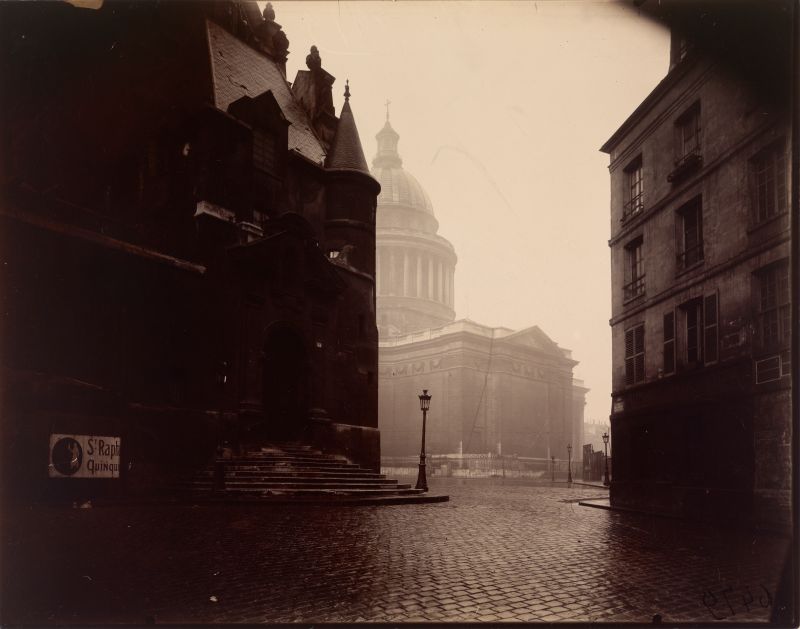
A favorite pastime of the French, particularly of the Parisian stock, is to lament the loss of their nation, language, or culture. This happens at neighborhood markets, on Mediterranean beaches, and frequently, on panels on evening news programs, where a graying member of the Académie Française (I am thinking here of the author and cultural […]
via Lost City: On Remembrance of Things Past — Solitary City
“Louis Aragon guides us through the Passage de L’Opéra, imaginatively exploring the allure of various establishments found in the covered arcades, including seedy lodging houses, cafés, hairdressing salons, public baths, theatres, washrooms and quaint specialist shops selling such items as handkerchiefs, walking sticks, and exotic stamps. He evokes the ambiguity of these places, their pleasures and secrets: ‘the ephemeral, the ghostly landscape of damnable pleasures and professions’. Aragon playfully opens up the arcades as diverse laboratories of sensations against what he sees as respectable, inoffensive bourgeoisie sensibilities. The passageway becomes a ‘method’ for loosening inhibitions, revealing both the shadowy and bright secrets that can be found behind its doors. In his stroll through Passage de L’Opéra the public baths and brothel are described in terms of ‘other places’, different worlds secreted in the heart of Paris, and when he moves out to the district of Butts-Chaumont, Aragon’s description and celebration of gardens and parks likewise become zones of mystery and enchantment. Gardens become places of, and for, dreams and mad invention. Parks, particularly at night, become places of sensual delight and lurking danger.”
Review of Peter Aragon’s Paris Peasant by Peter Johnson (12 February 2014) via http://www.heterotopiastudies.com/paris-peasant-aragon/


Page Images from A Rare Hardcover Edition of Paris Peasant. Photography by Marcus D. Niski © 2004-2017
…
But now it is evening. It is that strange, equivocal hour when the curtains of heaven are drawn and cities light up. The gas-light makes a stain upon the crimson of the sunset. Honest men and rogues, sane men and mad, are all saying to themselves, ‘The end of another day!’ The thoughts of all, whether good men or knaves, turn to pleasure, and each one hastens to the place of his choice to drink the cup of oblivion. Monsieur G. will be the last to linger wherever there can be a glow of light, an echo I of poetry, a quiver of life or a chord of music; wherever a passion can pose before him, wherever natural man and conventional man display themselves in a strange beauty, wherever the sun lights up the swift joys of the depraved animal! ‘A fine way to fill one’s day, to be sure’ …
– Charles Baudelaire, The Artist, Man of the World, Man of the Crowd, and Child in The Painter of Modern Life and Other Essays (1863) , Translated and Edited by Jonathan Myne, Phaidon, 1964, P 11

The red brick facade of the Institut d’Art et d’Archéologie stands out as a bright note among the subtle harmonies of stone, white and grey which dominate the Paris street scene. In 1920, when architect Paul Bigot won the competition for the design of the new university building, one critic declared that the facade was […]

These are the contemporary sounds inside the Galerie Vivienne, recorded a few days ago. But we do have a record of the impression the nineteenth century sounds of the galerie made on one person: the composer, Hector Berlioz.
Another highly engaging tour of the Passages of Paris with accompanying soundscapes by Des Coulam via The Galerie Vivienne and its Sounds — Soundlandscapes’ Blog
 Naked Cities Journal
You must be logged in to post a comment.