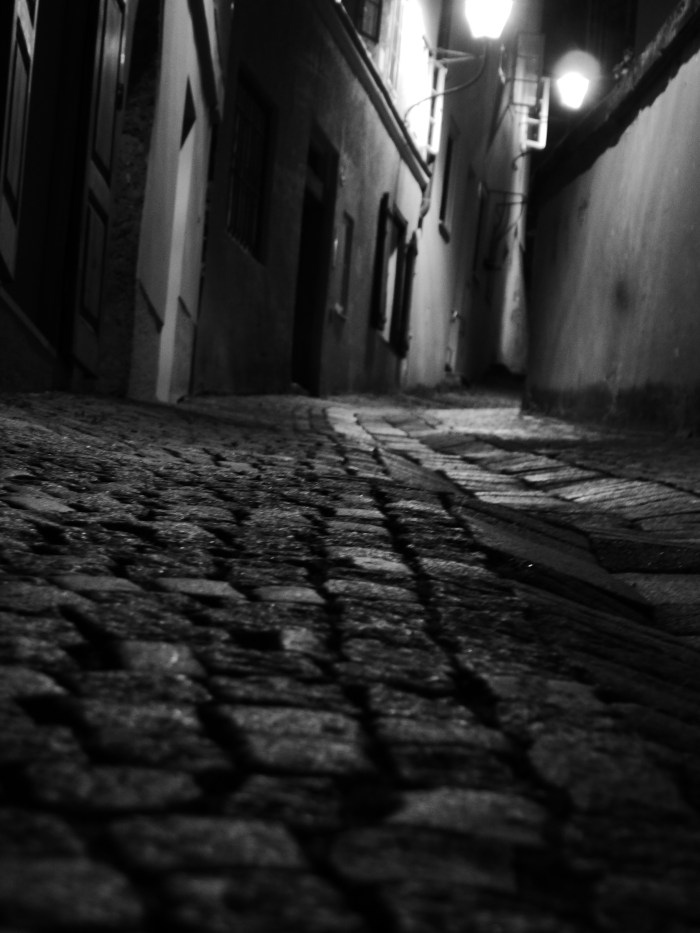
Some time ago, while I was crossing the London Bridge, I stopped to watch what I like best — rich, heavy and complex water, covered by mother-of-pearl fabric, blurred by the clouds of mud, bewilderingly busy with a great number of vessels, whose white steam, moving spinnakers, all bizzare maneuvers that ballance bales and crates, […]
Salzburg Altstadt – Rooftops
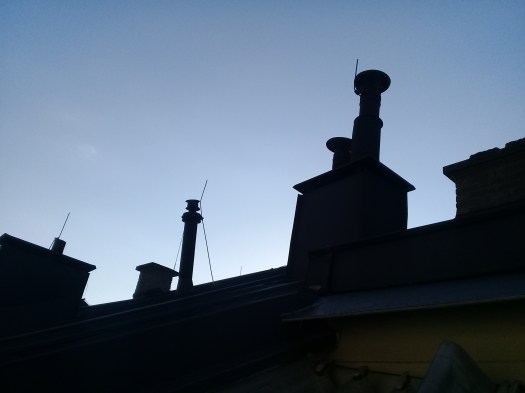
Salzburg Altstadt – Rooftops
Photography by Marcus D. Niski © 2019
Salzburg Altstadt – Nonntal
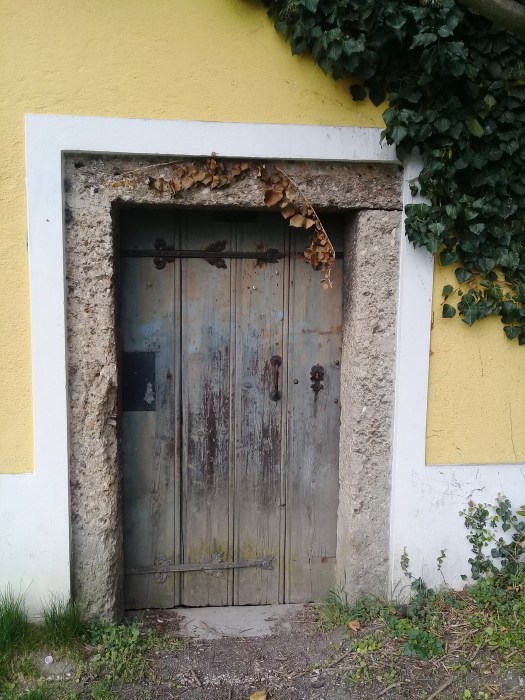
Salzburg Altstadt – Nonntal
Photography by Marcus D. Niski © 2019
Airport — Liminal Narratives

In an endlessly fascinating essay – Non-places: an introduction to super modernity – Marc Augé contrasts anthropological place (any space bearing the inscriptions of the social bond or collective history, such as churches, market places and town halls) with non-places. Described as spaces of circulation, consumption and communication, they are the places we inhabit when […]
Le flaneur — Ming Thein | Photographer

From Wikipedia: “Flâneur (pronounced [flɑnœʁ]), from the French noun flâneur, means “stroller”, “lounger”, “saunterer”, or “loafer”. Flânerie is the act of strolling, with all of its accompanying associations. A near-synonym is boulevardier.” A holdover from the class divides of 19th and early 20th century in Europe when the gentry could spend their time engaged in […]
Happy Sleepwalk. — lemanshots – Fine Pictures and Digital Art

Designed and created by Josephine R. Unglaub.
via Happy Sleepwalk. — lemanshots – Fine Pictures and Digital Art
Au Bonheur des Dames — Soundlandscapes’ Blog

AU BONHEUR DES DAMES is a novel by Emile Zola set in the world of the department store in nineteenth-century Paris. It covers the period approximately from 1864 to 1869 and it’s the eleventh novel in Zola’s Rougon-Macqart series. From Zola’s original manuscript for Au Bonheur des Dames When Zola was writing Au Bonheur des […]
— Simoneteffect – Pure Black & White

Bus Stop — Liminal Narratives

We rarely see them. Or rather, we see but fail to acknowledge. They inhabit a shadowland of the banal, the unremarkable, the unnoticed. Concealed in their own mundanity, they gently erase themselves from view. Yet in Christopher Herwig’s remarkable Soviet Bus Stops, these drab artefacts of lane and street are re-invented, as Jonathan Meades observes […]
Place and memory
The memorable is that which can be dreamed about a place.
– Michel de Certeau, ‘Walking in The City’ in The Practice of Everyday Life
 Naked Cities Journal
You must be logged in to post a comment.