“Louis Aragon guides us through the Passage de L’Opéra, imaginatively exploring the allure of various establishments found in the covered arcades, including seedy lodging houses, cafés, hairdressing salons, public baths, theatres, washrooms and quaint specialist shops selling such items as handkerchiefs, walking sticks, and exotic stamps. He evokes the ambiguity of these places, their pleasures and secrets: ‘the ephemeral, the ghostly landscape of damnable pleasures and professions’. Aragon playfully opens up the arcades as diverse laboratories of sensations against what he sees as respectable, inoffensive bourgeoisie sensibilities. The passageway becomes a ‘method’ for loosening inhibitions, revealing both the shadowy and bright secrets that can be found behind its doors. In his stroll through Passage de L’Opéra the public baths and brothel are described in terms of ‘other places’, different worlds secreted in the heart of Paris, and when he moves out to the district of Butts-Chaumont, Aragon’s description and celebration of gardens and parks likewise become zones of mystery and enchantment. Gardens become places of, and for, dreams and mad invention. Parks, particularly at night, become places of sensual delight and lurking danger.”
Review of Peter Aragon’s Paris Peasant by Peter Johnson (12 February 2014) via http://www.heterotopiastudies.com/paris-peasant-aragon/

Page Image from A Rare Hardcover Edition of Paris Peasant. Photography by Marcus D. Niski © 2004-2017

Page Image from A Rare Hardcover Edition of Paris Peasant. Photography by Marcus D. Niski © 2004-2017

Page Image from A Rare Hardcover Edition of Paris Peasant. Photography by Marcus D. Niski © 2004-2017

Page Image from A Rare Hardcover Edition of Paris Peasant. Photography by Marcus D. Niski © 2004-2017

Page Image from A Rare Hardcover Edition of Paris Peasant. Photography by Marcus D. Niski © 2004-2017

Page Image from A Rare Hardcover Edition of Paris Peasant. Photography by Marcus D. Niski © 2004-2017
Page Images from A Rare Hardcover Edition of Paris Peasant. Photography by Marcus D. Niski © 2004-2017
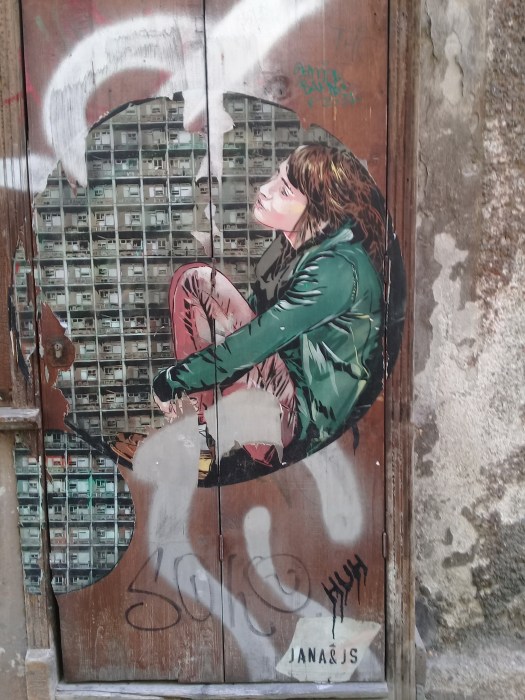 Stencil Art – Steingasse Salzburg, Austria, 2017
 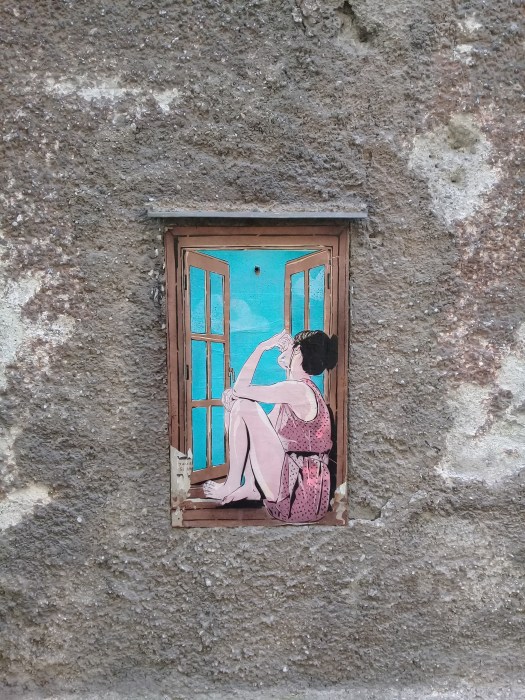 Stencil Art – Steingasse Salzburg, Austria, 2017



 Naked Cities Journal
You must be logged in to post a comment.